
Getting to the right cover for my novel, Debra Lee Won’t Break, was not a straight path. In this post I share my attempts to create a cover for myself, without the expense of a professional, and what led me to the cover I ultimately chose for my debut novel.
I spent several hours over the course of writing the book mocking up covers in Canva. When the rejections were pouring in from agents, this exercise empowered me. It meant if traditional publishing didn’t work out, I had other options.
Here are some of the first cover concepts I came up with, using Canva’s stock photos:


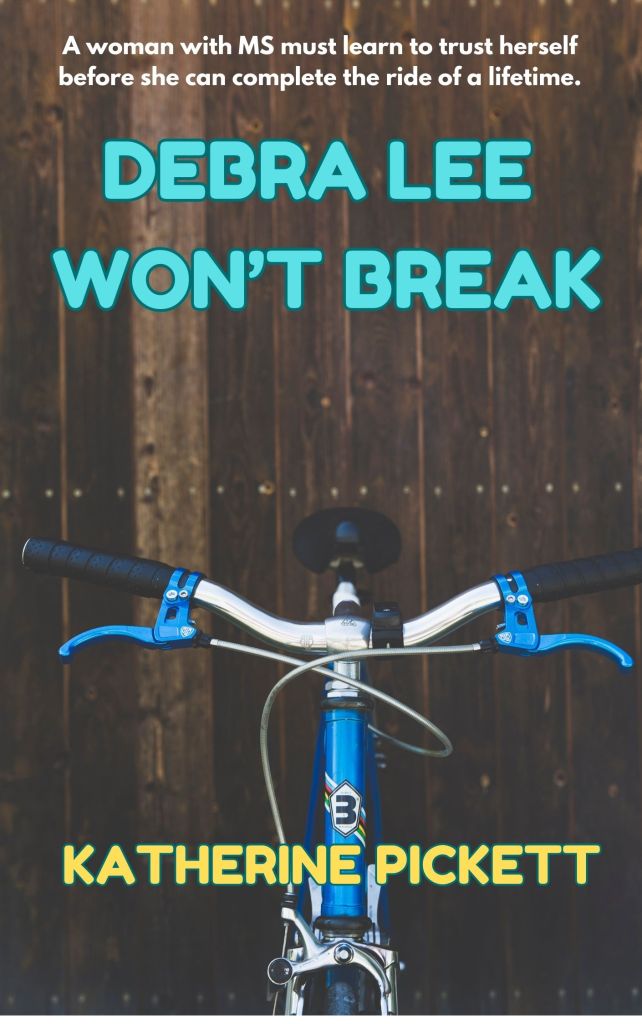
My biggest issue with these three was that the mood wasn’t right. They were too lonesome, too contemplative. This is a book about friendship and motherhood and resilience. These images did not capture that. I kept looking.

Here I found the friendship vibe I was looking for, and I really like the bending words as a play on the word “break.” This exercise also helped me to come up with a tagline I liked. I thought I might be on to something.
But further research into contemporary fiction revealed that I was on the wrong track. Women’s fiction largely uses illustrations, not photographs, for its covers. I understand this preference. In my example, the photo is almost too specific. It doesn’t leave enough up to the imagination.
Now I had a different problem. Finding a stock illustration of a woman on a bicycle is CHALLENGING. The women are almost always accompanied by children or a husband. A lone woman, or heaven forbid, two women riding together, just isn’t done.
I looked around at other covers, and decided to take a different approach. This was attempt number 8.
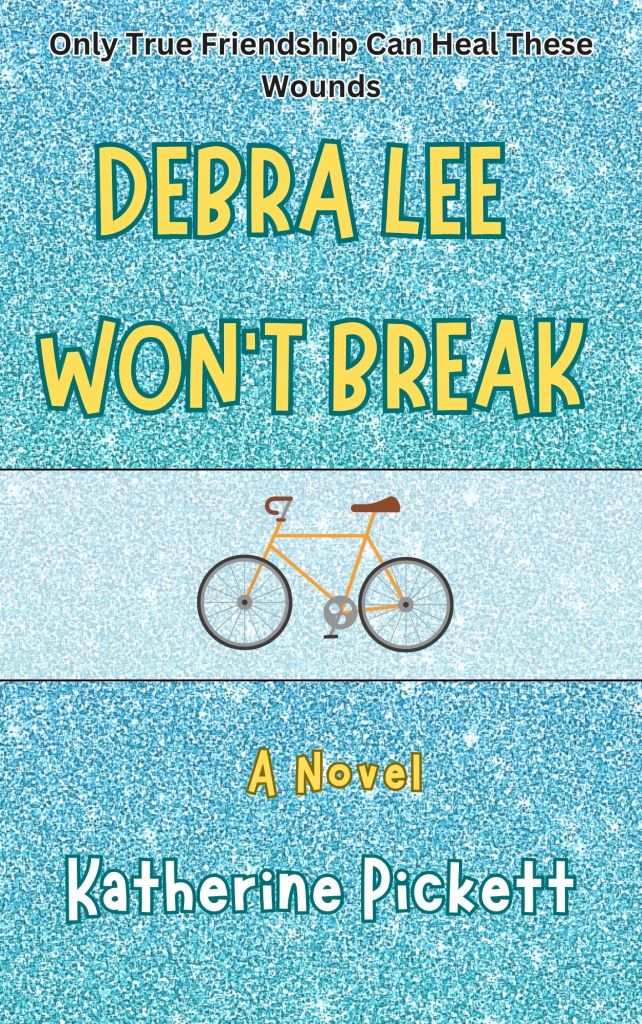
I like this cover. It does the most basic things we need a cover to do. It relates the title, author, genre, and tagline. It conveys a light tone, and it hints at the central focus of the story: a bike ride. It avoids photographs, which as we’ve seen can be problematic, and it doesn’t require expensive illustrations.
Still, when I showed it to one potential marketer, she said she would only work with me if I had a professional cover. I knew then that it wouldn’t stand up to other books on the market.
That’s when I decided to expand my options by getting a subscription with Dreamstime, a stock image database similar to Getty or iStock. But even with a database of thousands of photos and illustrations, the options were incredibly limited.



By now I had spent several hours working through the images, and I wasn’t entirely satisfied with any of them. The fonts weren’t right, the backgrounds weren’t right. It was clear I still had a long way to go before I would have a cover that really captured the spirit of the book.
It was time to hire a cover designer.
I had met Paul Nylander, owner of Illustrada Design, when I presented a workshop for the Minnesota Independent Publishers Association in 2020, and we connected on LinkedIn afterward. Now, almost five years later, I knew who to turn to for a professional cover.
About a week following our one-hour consultation and a very thorough author questionnaire, Paul presented several options as starting points. One stood out. The central figure was compelling, and the background was not too specific. We pursued that one, fixed some problems with the illustration, and when Paul sent me the draft, I was floored.
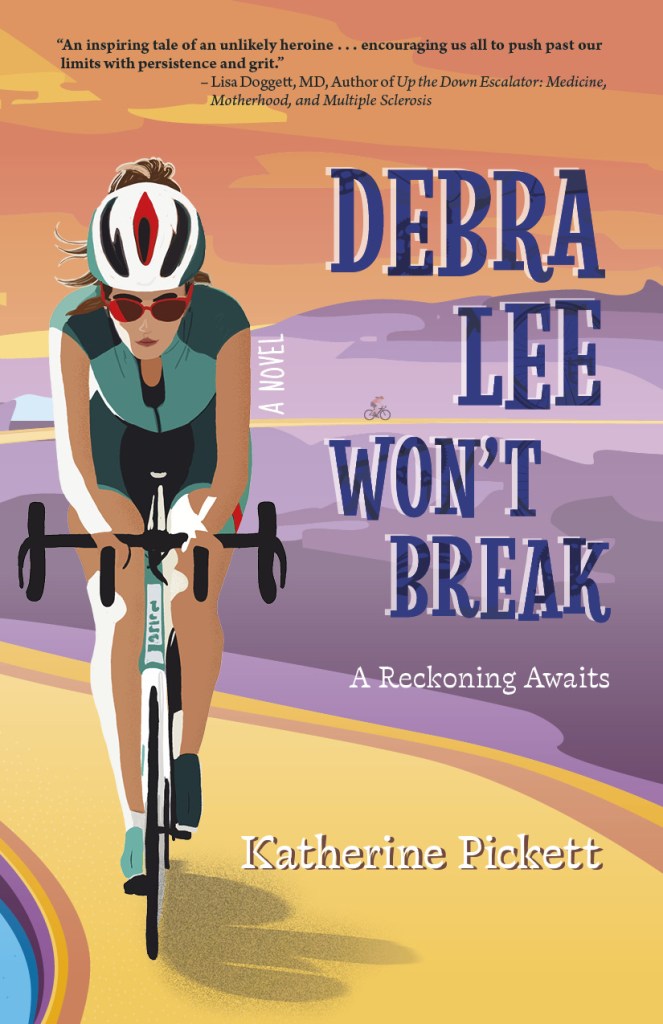
It was even better than I expected. I was almost ready to sign off on it. I sent it to an editor friend for some feedback, and she said she had a thought, did I want to hear it?
Of course I wanted to hear it!
A native of Texas, she said her only qualm was that the purple evoked the desert. When I looked again, I had to agree. Some writer friends also concurred. As the book is set in Maryland, I considered what change I could make. What color would say mid-Atlantic?
My husband suggested green. Indeed, the hills of Maryland are green. I asked Paul to try it. Here is the result:
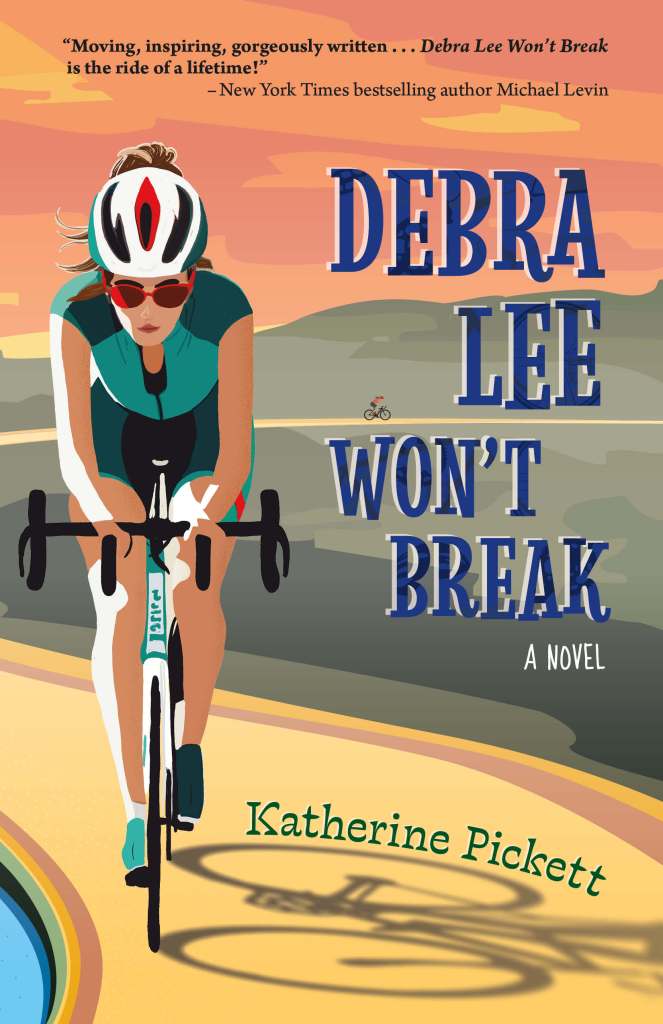
When I saw it, I knew I had my cover. Although I still find the purple image to be compelling, the new cover is both compelling and geographically appropriate. I love the fonts, the playful curve of the author name, and the striking image of the woman on the bike. It is unlike anything I could have made on my own, and it has garnered very positive responses.
I now have a cover I love that does all the things marketers hope a cover will do. Thank you, Paul!
Resources
If you are interested in creating your own cover, try these tools:
- Canva, a website for creating banners, book covers, and more. The free version is great for most things, including ebook covers, but you’ll need the paid version to create a print cover.
- KDP cover template. You’ll need a template from your publisher (KDP, IngramSpark, etc).
- How to Design a Print Book Cover in Canva. This YouTube video will walk you through all the steps, including how to generate and apply the KDP template.
- Dreamstime stock image database. Dreamstime is one of many stock image sites. They have photographs and illustrations that you can license for a reasonable price.
- Barcode generator. Although you can buy a barcode from Bowker, there are many free barcode generators available online.
Never miss a communication from Katherine Pickett
Subscribe to The Hop On Newsletter to receive writing and editing tips in your inbox. You’ll access these exciting thank-you gifts just for signing up!
- “A Visit From Kathy,” a free original short story by Katherine Pickett
- “Moving Day,” a new, never-before-published scene from Debra Lee Won’t Break
- “Hiring and Working with a Freelance Editor,” featuring the most popular blog posts from The POP Newsletter
 Katherine Pickett
Leave a comment